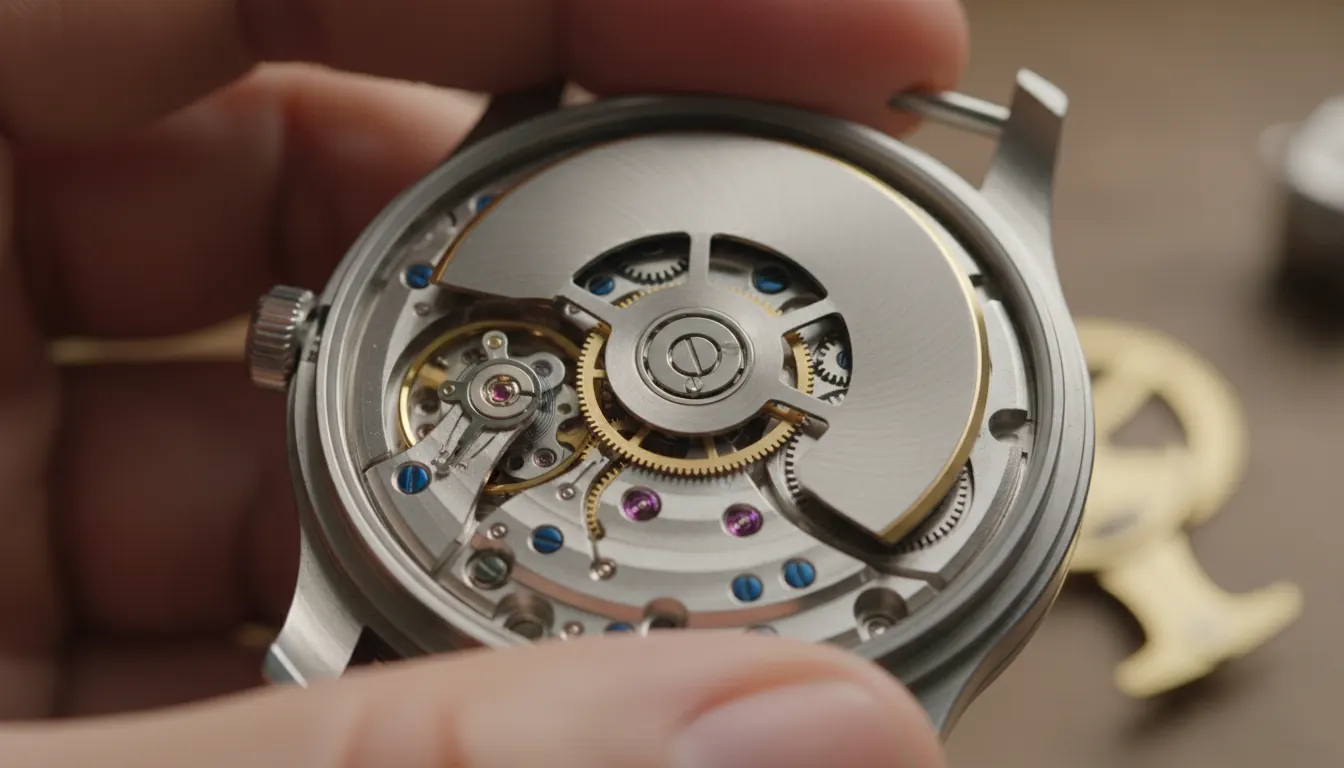
Mechanical and Automatic Watches Explained
Understanding the fundamental differences between mechanical and automatic watches helps vintage timepiece buyers make informed decisions. Both movement types use spring-powered mechanisms with escapements regulating timekeeping, but they differ significantly in how mainsprings receive winding energy. This distinction affects daily use, maintenance requirements, and the overall ownership experience. For collectors evaluating vintage watches from the 1960s and 1970s, recognizing these differences ensures selecting timepieces matching their lifestyle preferences and appreciation for traditional horology.
How Mechanical Movements Work
Mechanical watches rely entirely on manual winding through crown rotation to tension their mainsprings. Users must remember to wind their watches daily, typically requiring 20-40 crown turns to achieve full power reserve. This ritual creates intimate connection between owner and timepiece, though it demands consistent attention. Well-maintained mechanical watches from reputable 1960s and 1970s manufacturers continue operating reliably today, often achieving accuracy within ±20 seconds daily when properly serviced by qualified watchmakers who understand vintage movement intricacies.
- Manual winding through crown rotation tensions the mainspring providing power to the movement
- Daily winding ritual creates personal connection between owner and timepiece
- Power reserve typically lasts 36-48 hours before winding becomes necessary
- No self-winding rotor means movements remain thinner and more elegantly proportioned
- Regular servicing every 3-5 years maintains accuracy and ensures long-term reliability
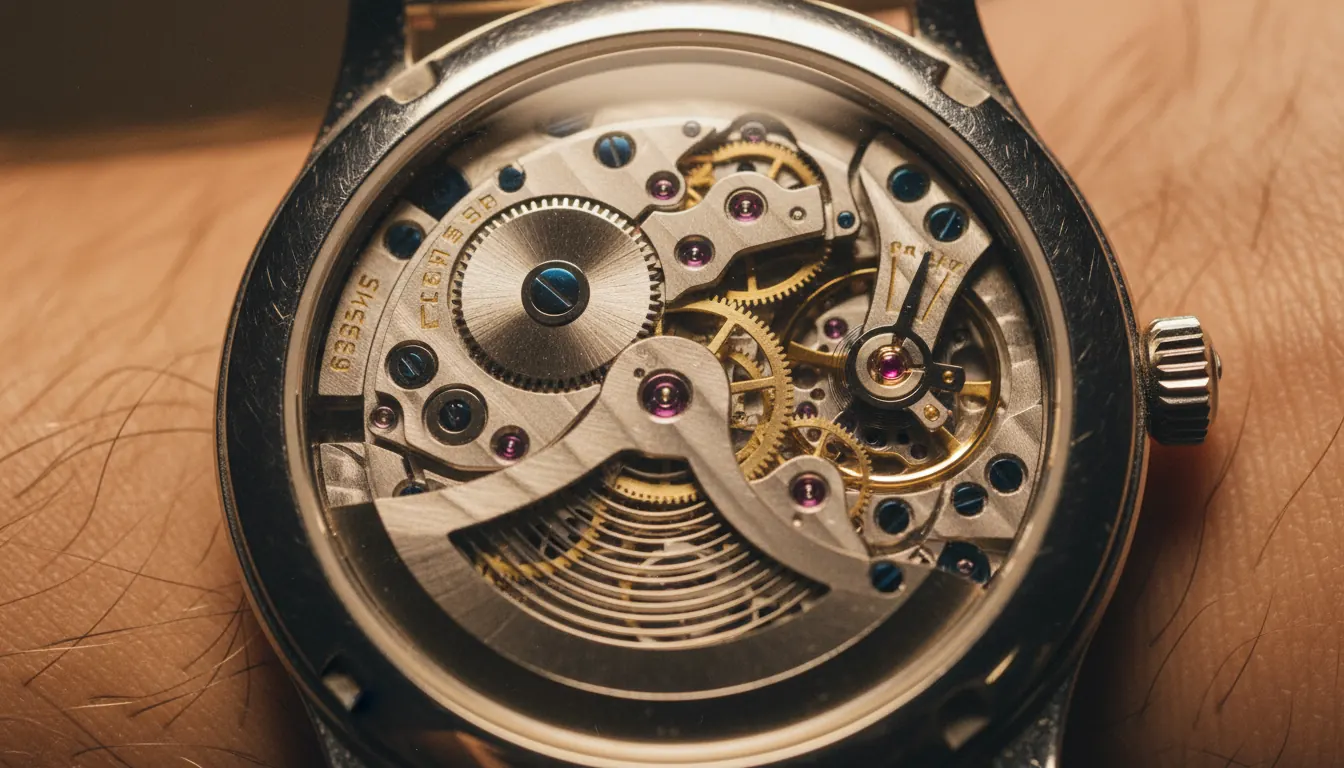
Comparing Mechanical and Automatic Movements
This table clarifies the practical differences between these traditional movement types:
| Characteristic | Mechanical | Automatic |
|---|---|---|
| Winding method | Manual crown rotation | Automatic via wrist motion |
| Daily attention | Requires winding ritual | Winds during normal wear |
| Movement thickness | Typically thinner | Thicker due to rotor |
| Typical accuracy | ±20 seconds daily | ±15 seconds daily |
"Choosing between mechanical and automatic isn't about superiority—it's about whether you prefer the daily ritual of winding or the convenience of self-winding while maintaining traditional horological character."
Which Movement Type Suits Your Needs
Mechanical watches appeal to purists who appreciate the winding ritual and prefer thinner case profiles. Automatic watches suit collectors seeking vintage character without manual winding requirements, making them more practical for regular wear. Both movement types offer traditional horological appeal with visible mechanical action through exhibition casebacks. Consider your lifestyle when selecting between these options—automatic movements need regular wearing to maintain winding, while mechanical watches require conscious daily attention regardless of wearing frequency.